
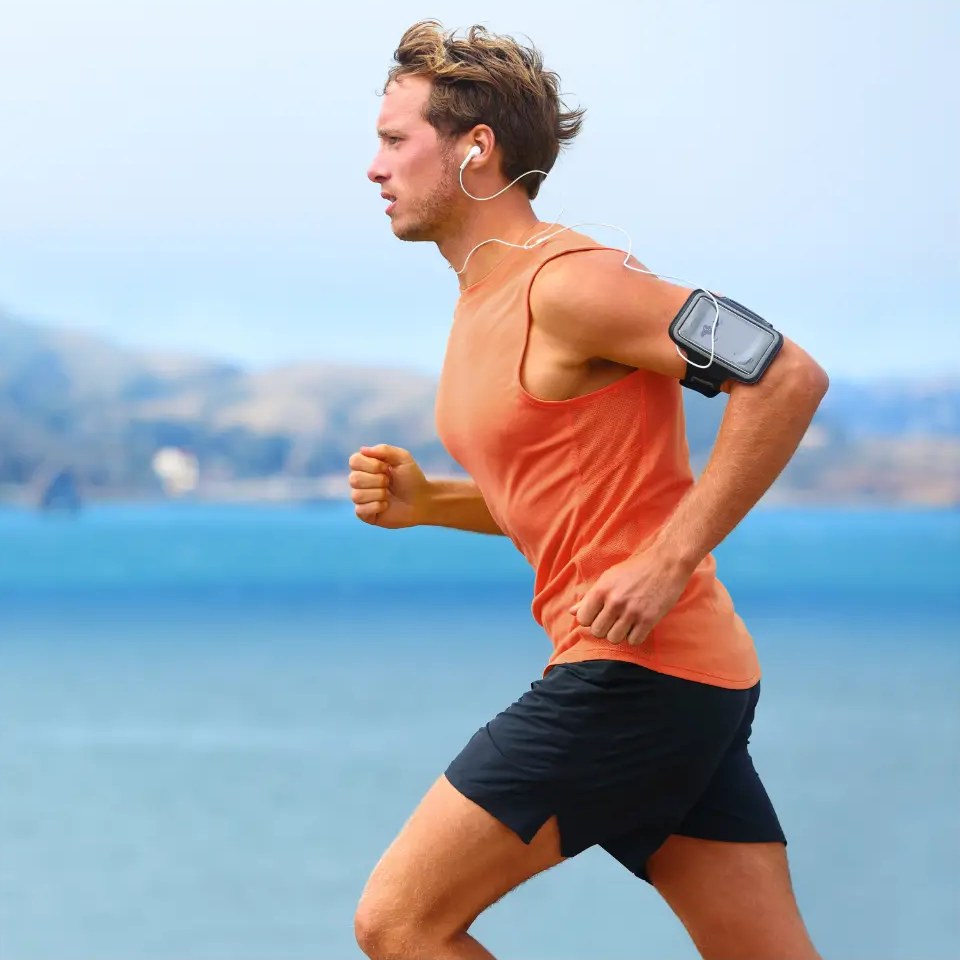
Running injuries are rarely a mystery.
Gait analysis available. VALD muscle testing. No GP referral needed.





52%
of endurance runners will get Achilles tendinopathy at some point. Most running injuries are load problems, and load problems have causes worth finding.
Published prevalence researchThree things we measure.
01
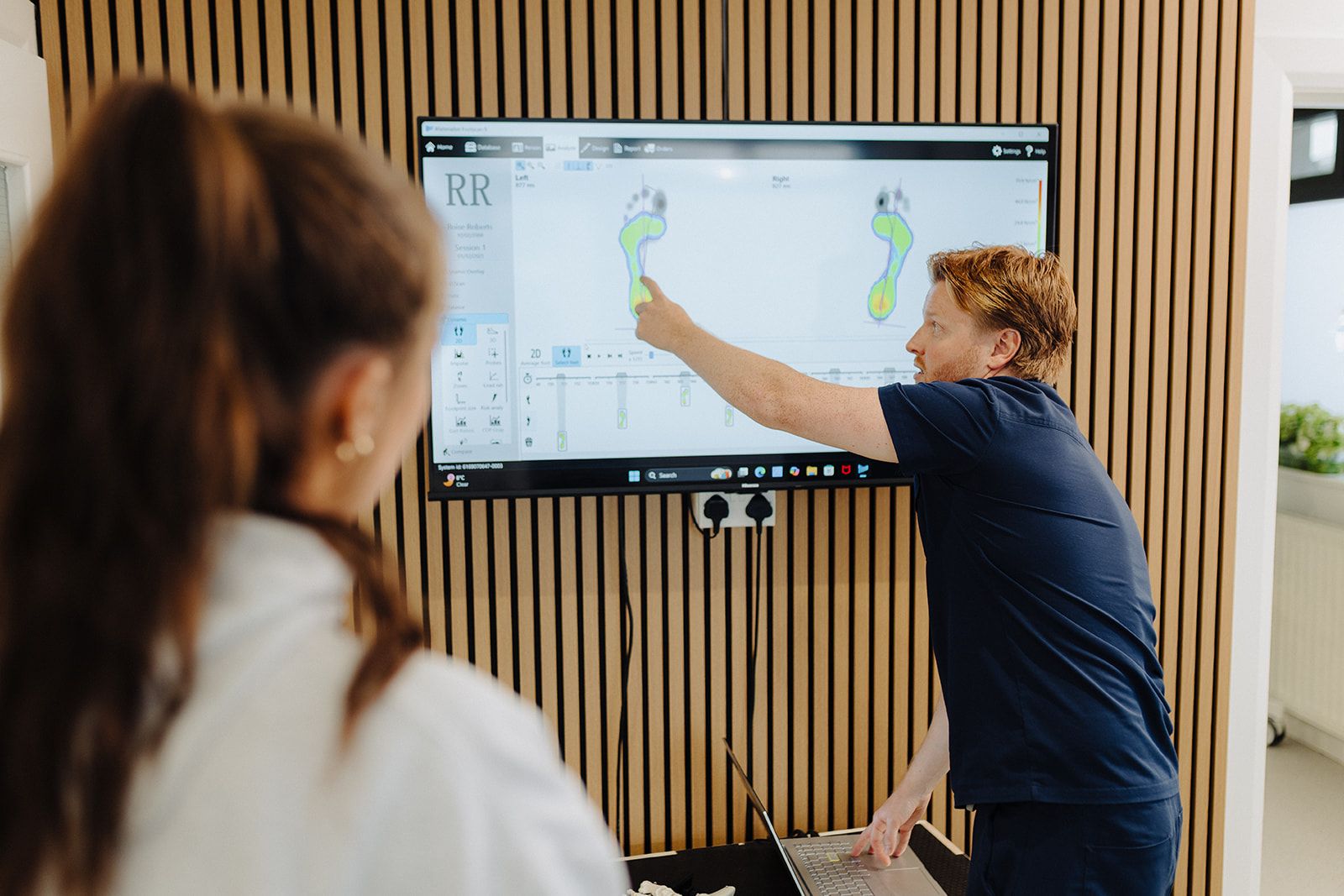
Running gait analysis
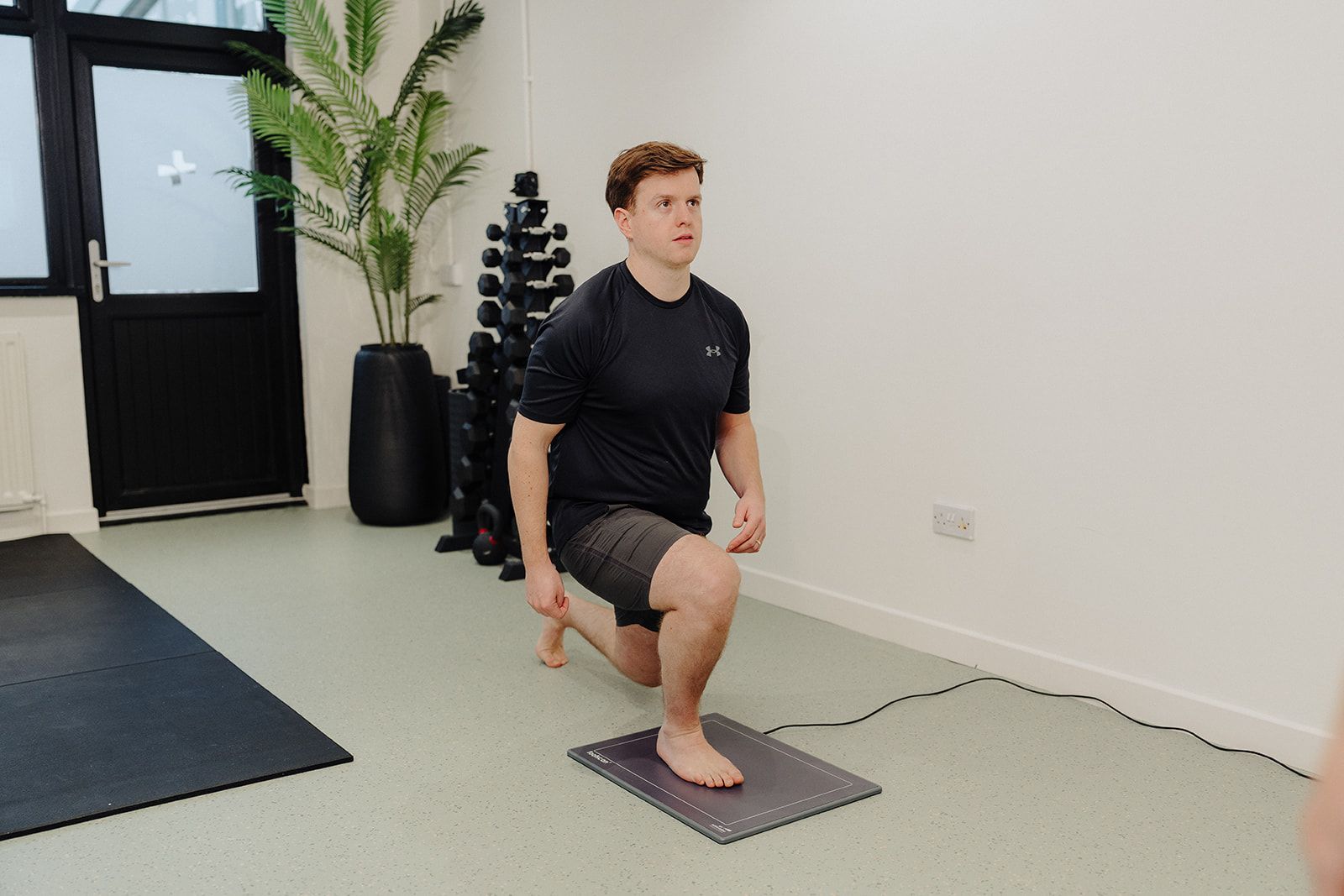
We film you running on the treadmill and review it frame by frame with you. Footscan pressure analysis shows where force is going, and when.
02
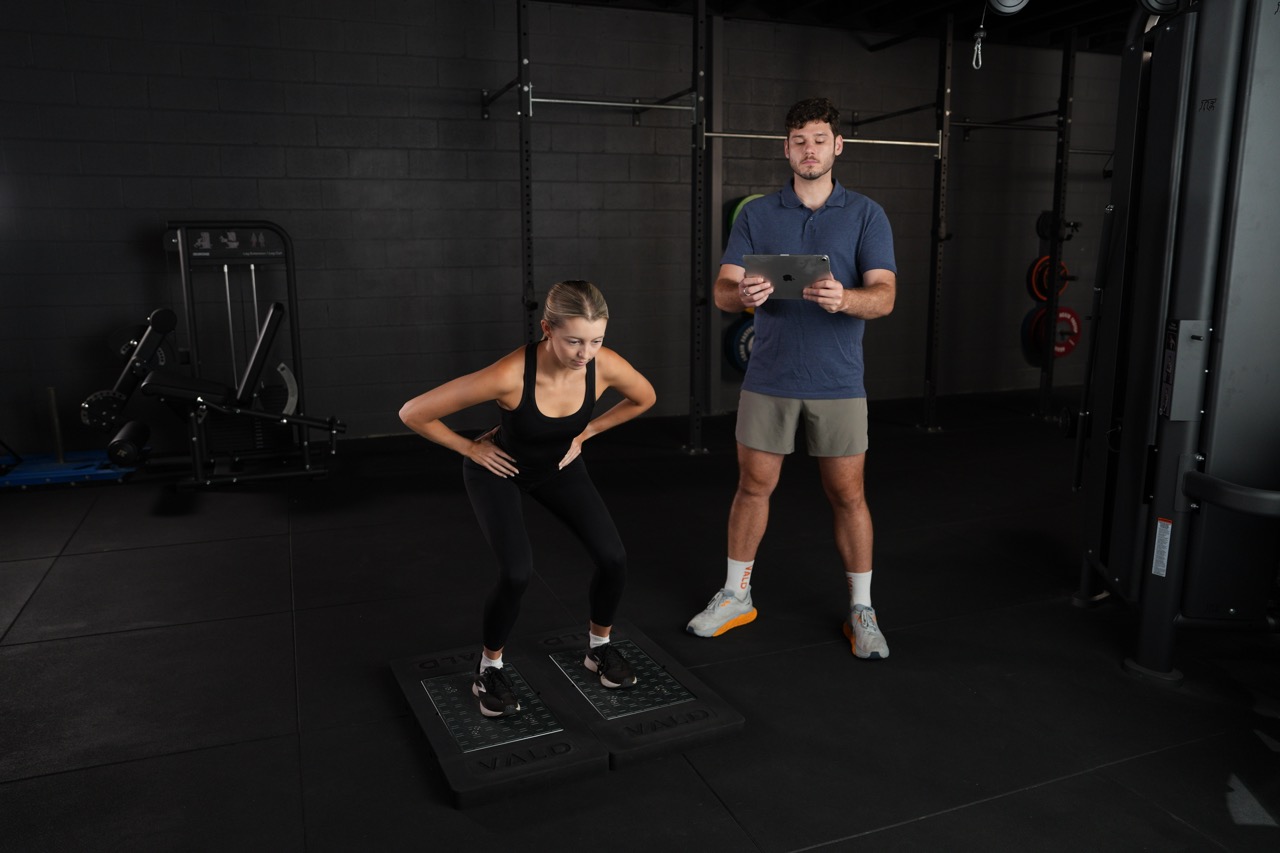
Running strength screening
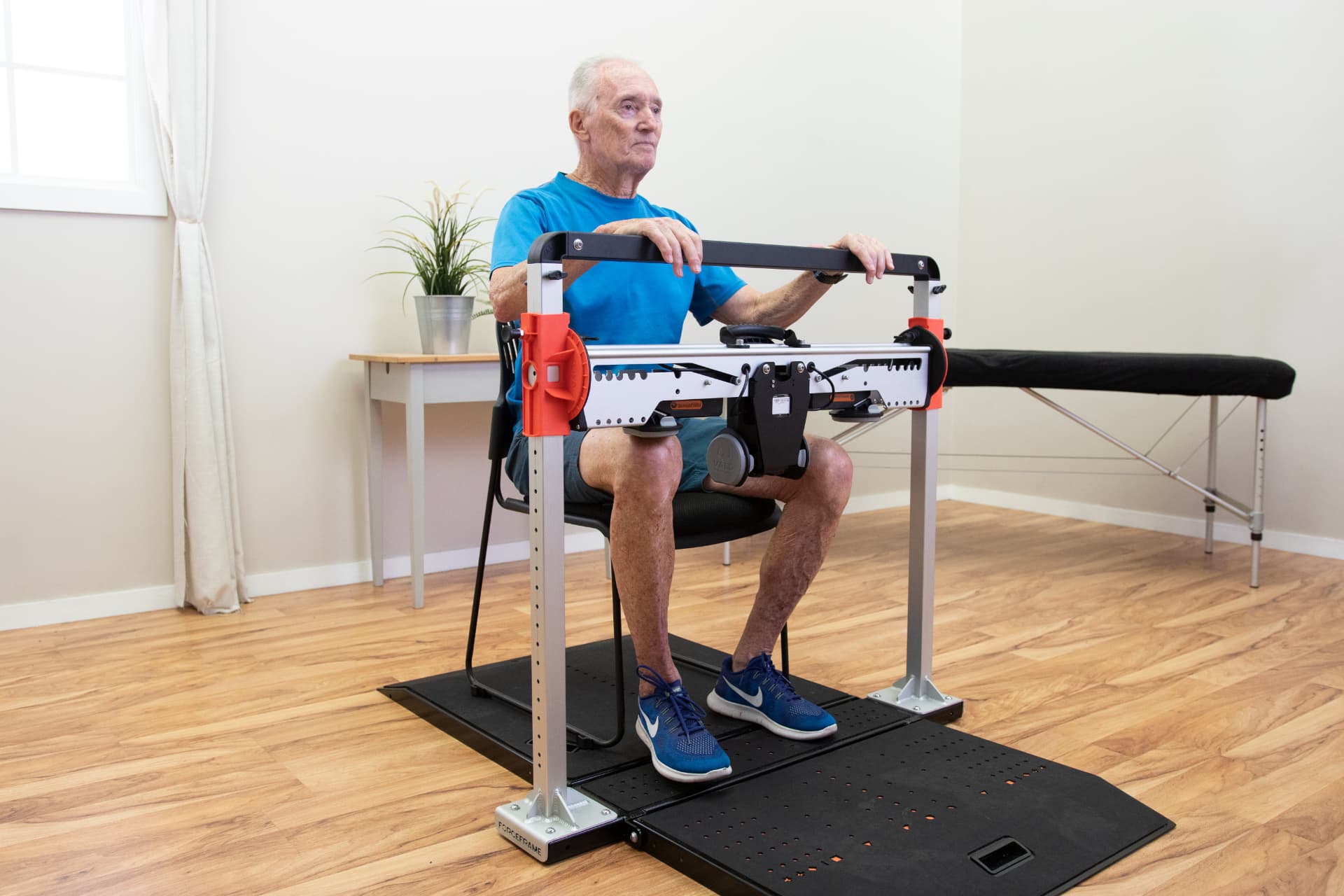
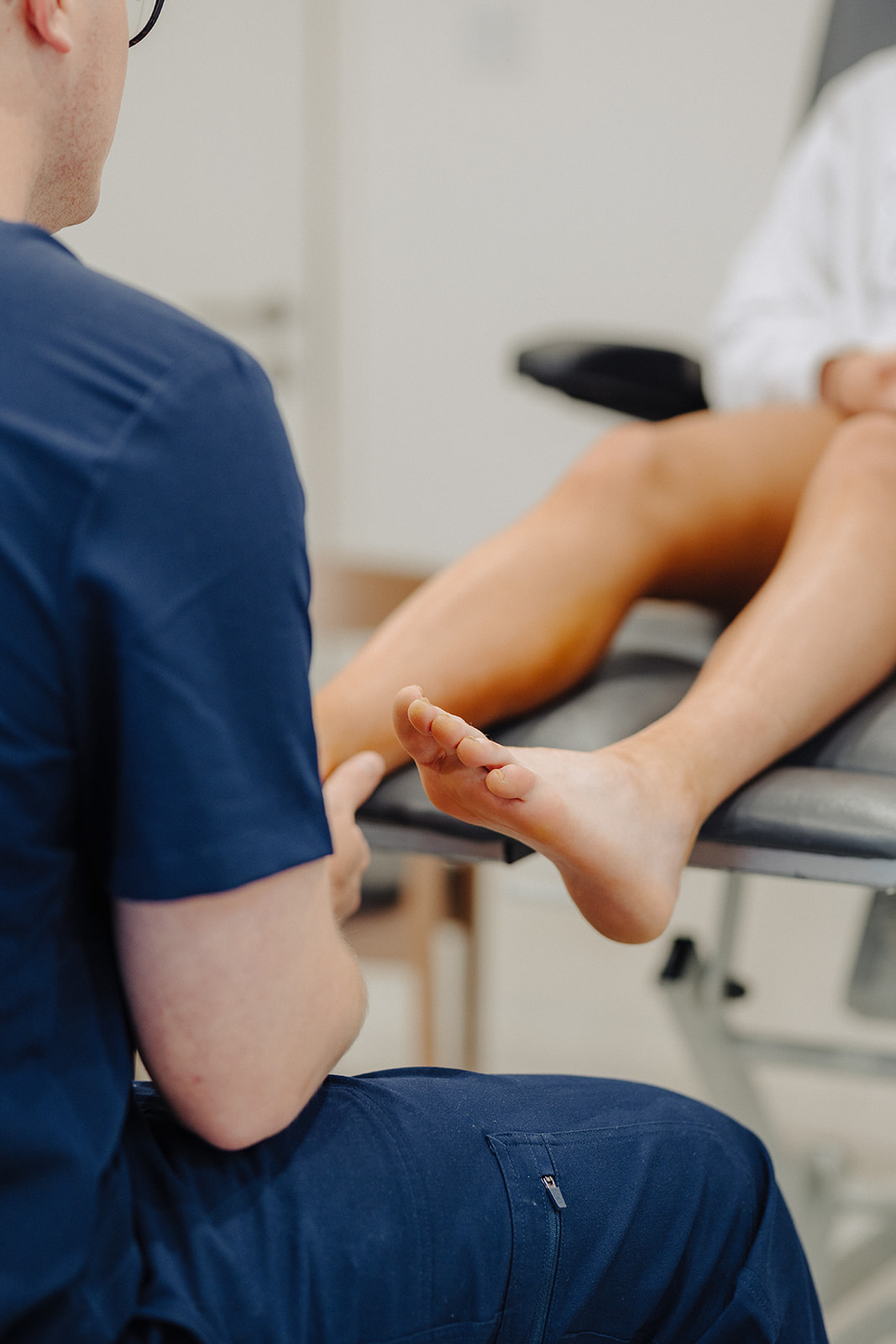
We measure the strength that matters for runners, and the difference between your left and right side. Most people are more asymmetric than they feel.
03
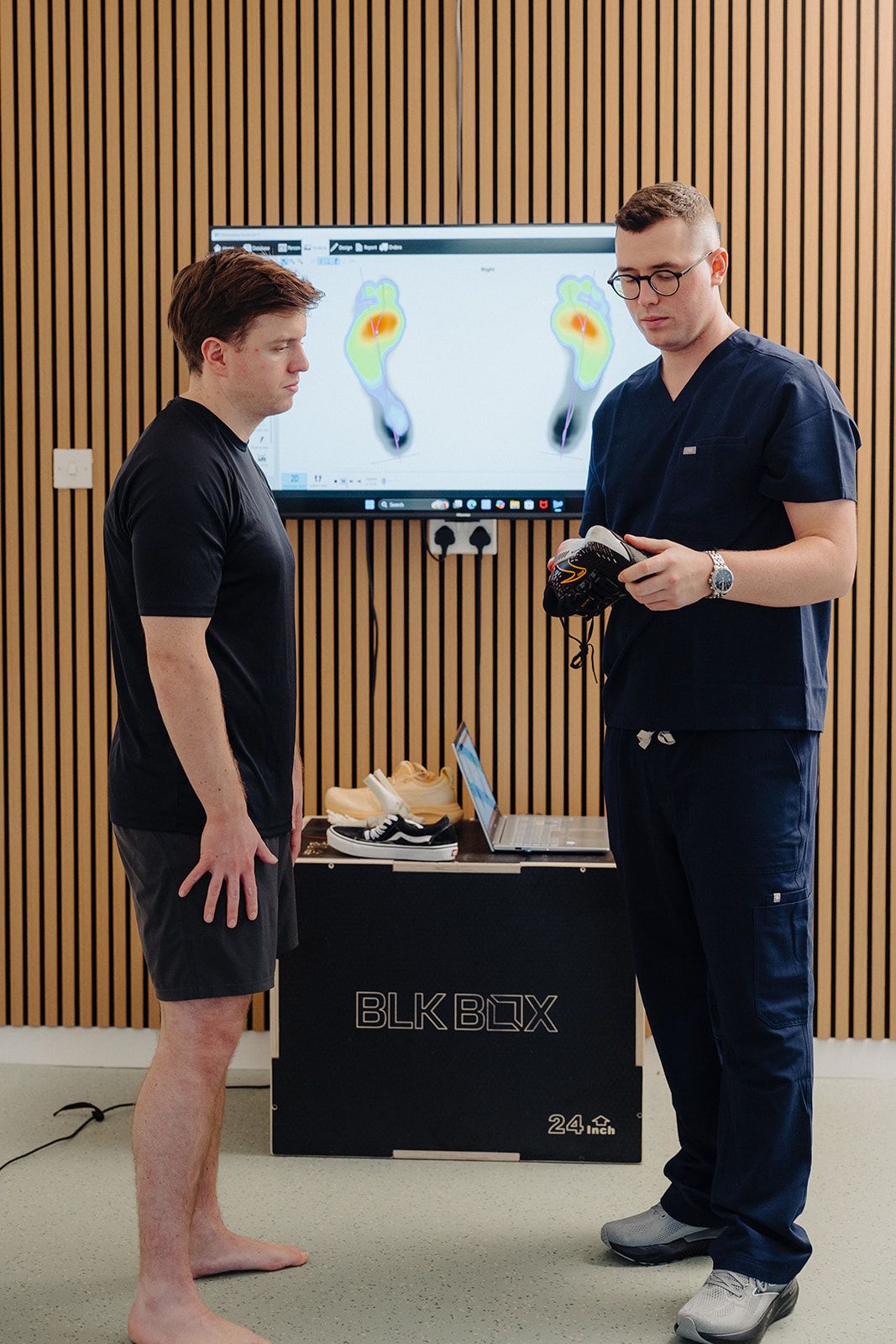
Running shoe assessment
Wear pattern, heel drop, and whether the shoe suits how you actually move. Often the cheapest thing that helps.
All three are part of your Foot, Heel and Lower Limb Pain Assessment. There is no separate running package and no extra fee.
And why it matters for runners.
Calf strength
Your calf takes several times your body weight every stride. Weakness here is one of the most common findings in runners with Achilles pain.
Side to side difference
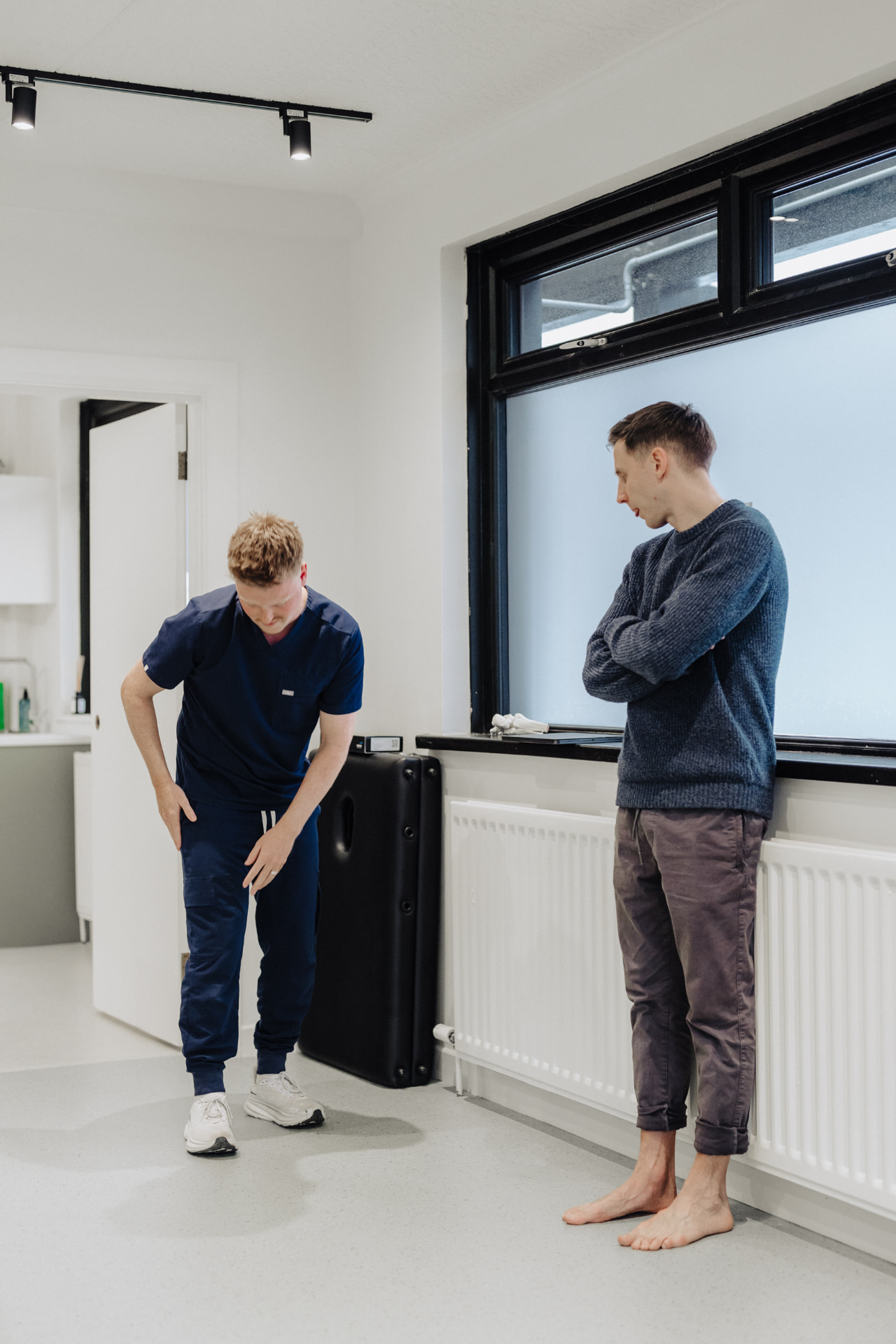
Running is a series of single leg landings, so an asymmetry you cannot feel shows up every stride. Many return to sport guidelines use a ninety percent symmetry threshold as a minimum.
Hip strength
The hip controls where your thigh bone sits under your kneecap. It is one of the most reliably treatable causes of runner's knee.
Jump and hop testing
Strength alone does not tell us whether you are ready to run. How well you absorb and return force on landing does.
How you load your foot
Footscan pressure analysis shows where force concentrates and when. Where it concentrates repeatedly is usually where the pain turns up.
The four that bring runners in.
Settled, then stronger, then running.
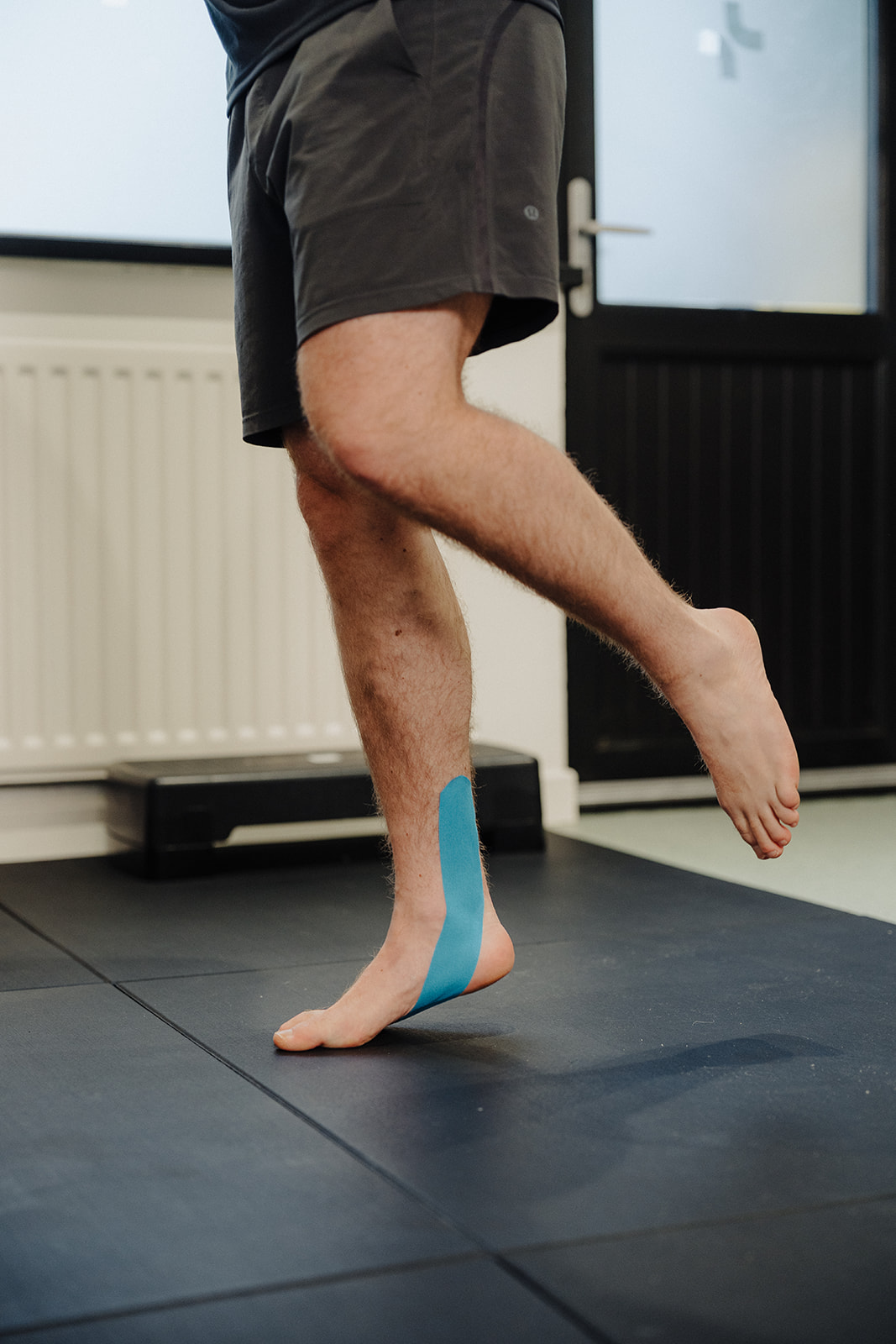
Return to running plan
A structured build back to your distance with your physiotherapist rather than guessing. We retest your strength before you add mileage.
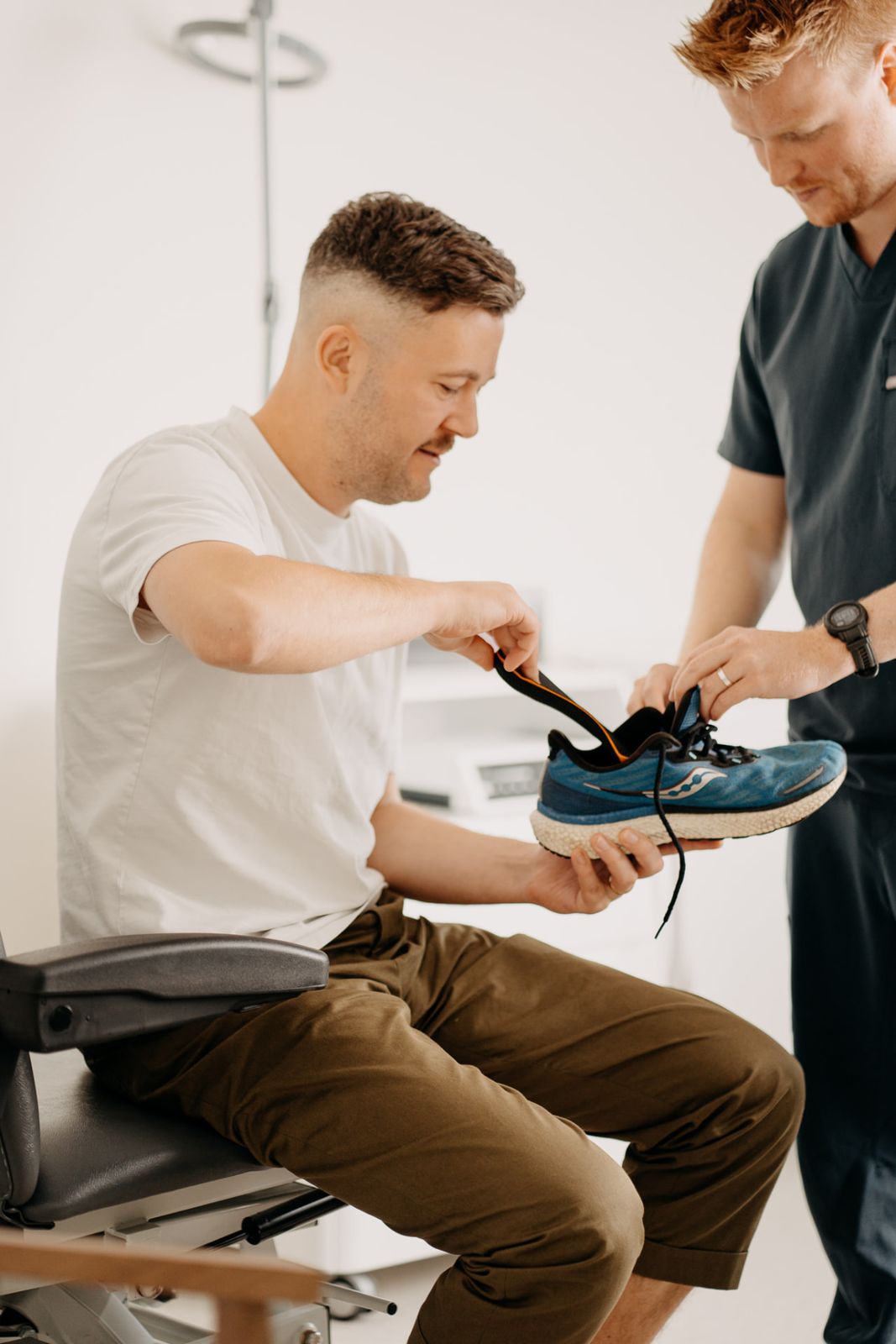
Running orthotics
Where your gait data shows how you load is driving the problem, custom 3D printed orthotics can change how force reaches the injury. Not everyone needs them and we will say so.
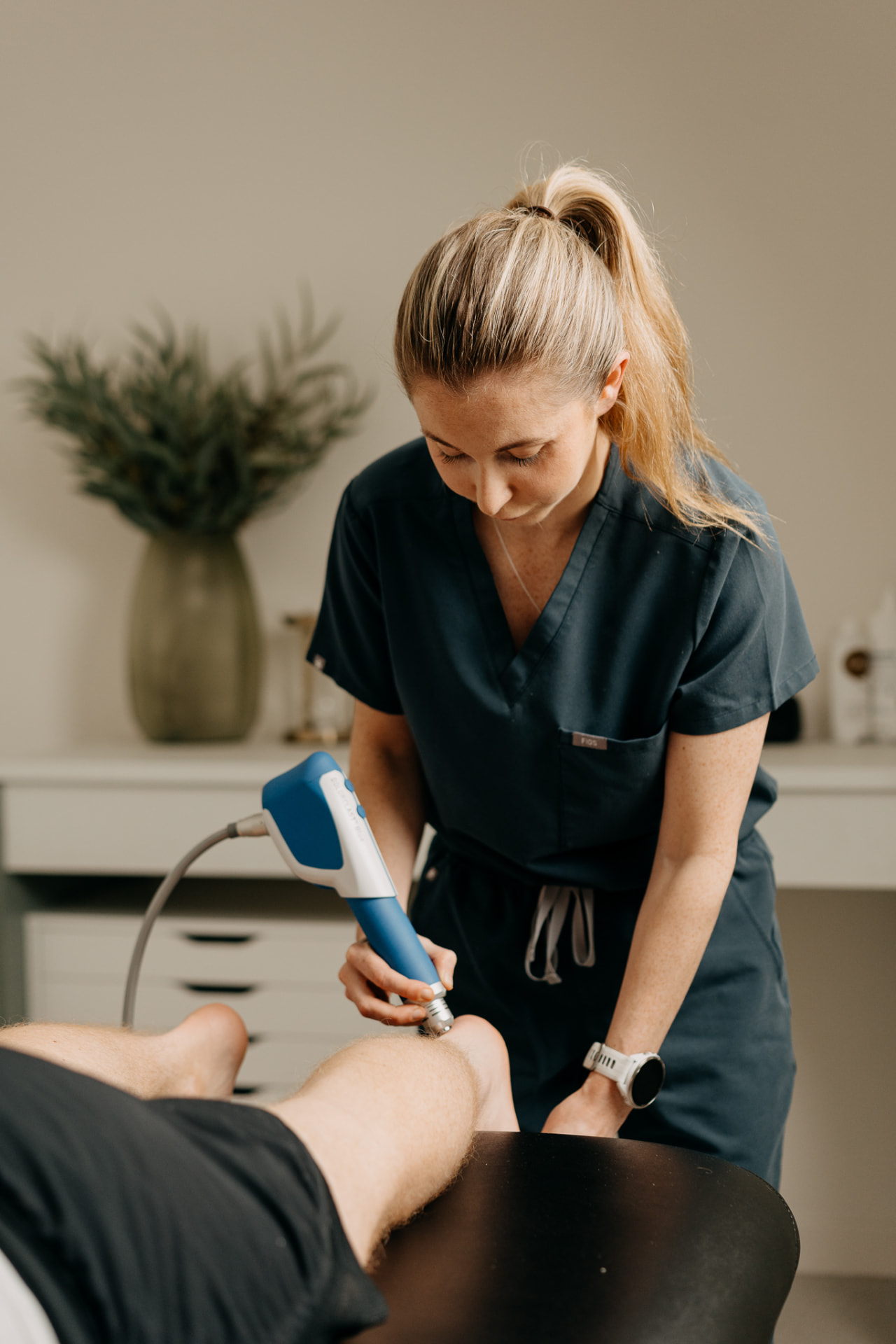
When a tendon has not settled
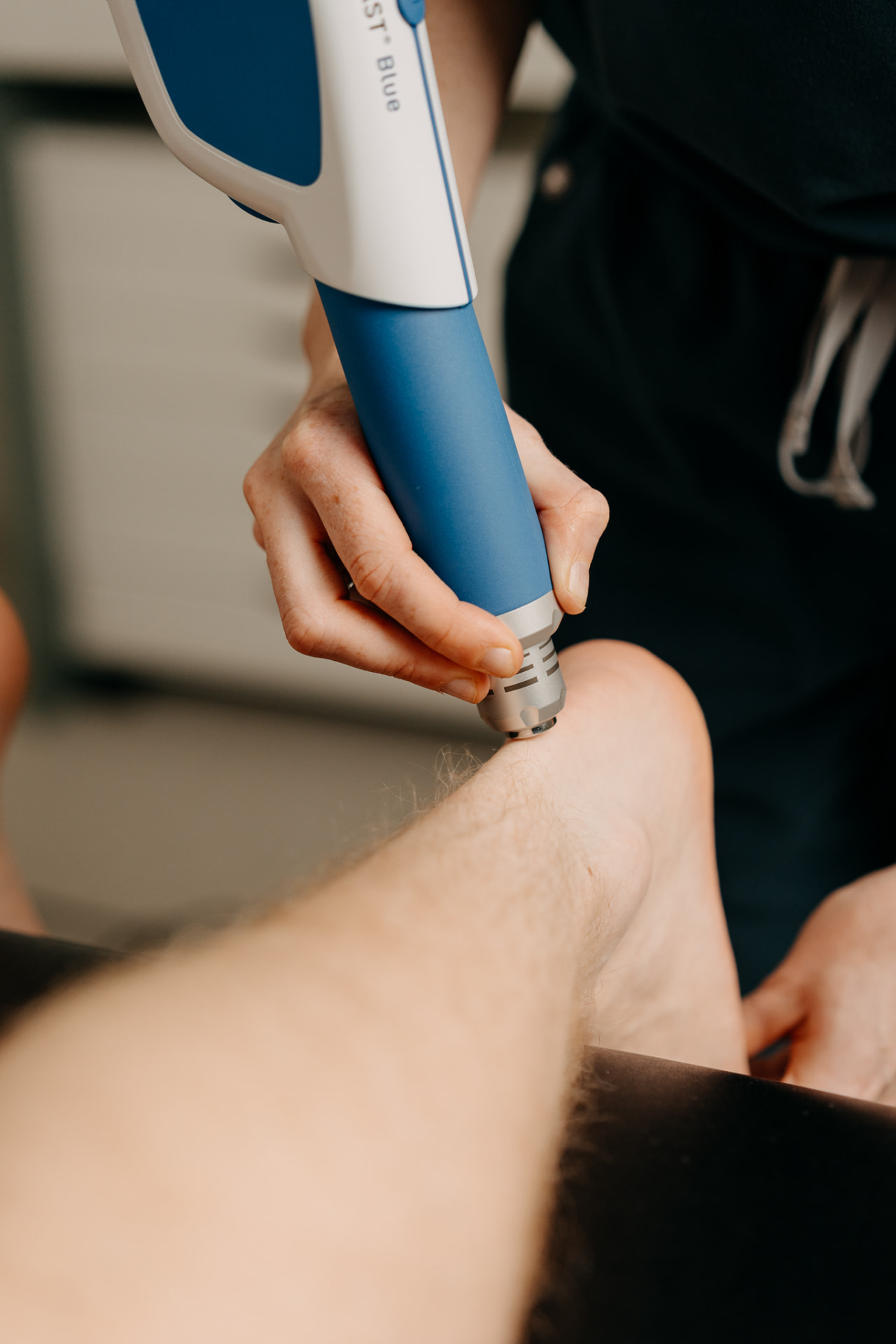
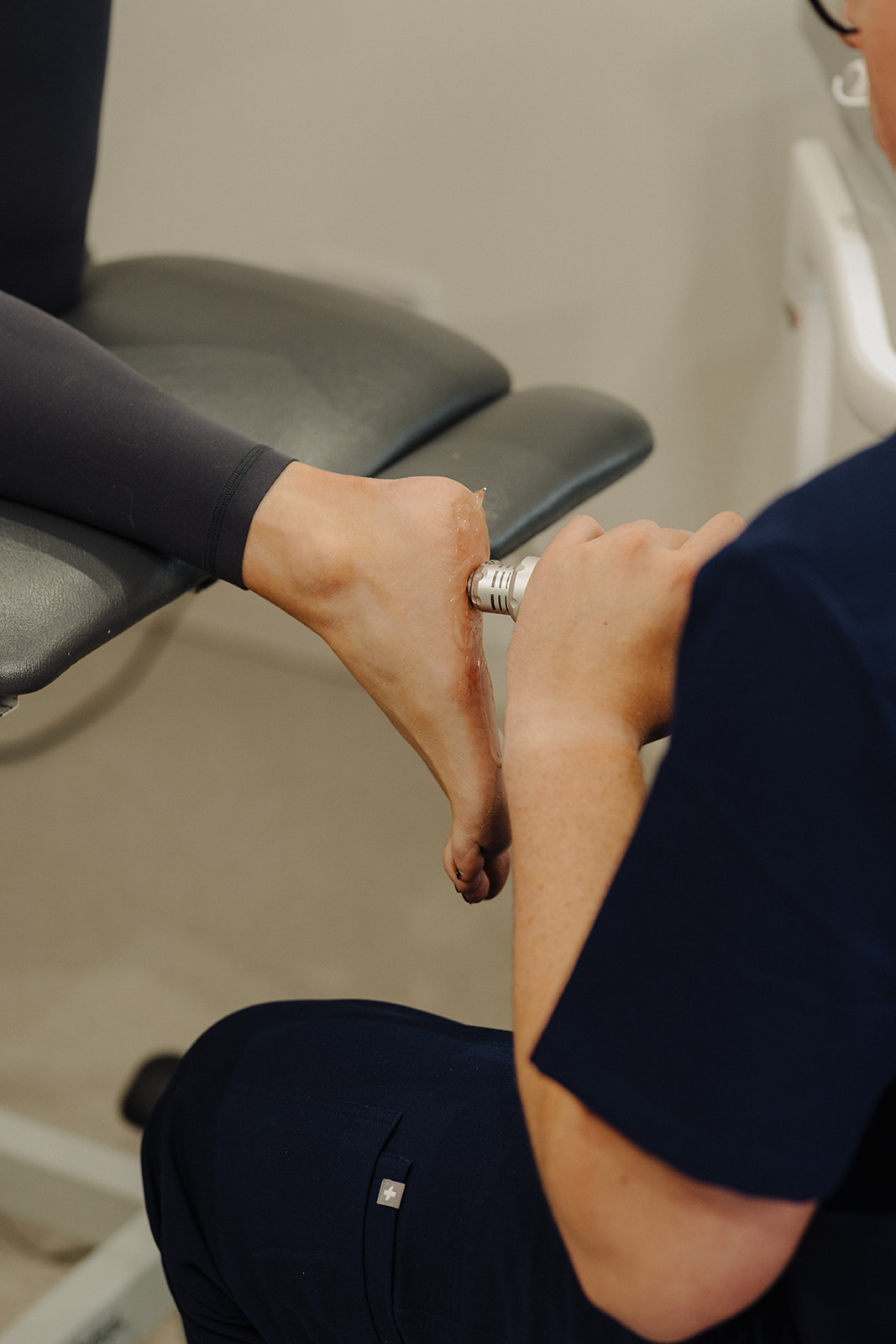
Shockwave therapy with the Swiss DolorClast, used alongside your loading programme rather than instead of it. The evidence is strong for heel pain and more mixed for Achilles, and we will tell you that.
Treated by clinicians who run the plan with you.

Deidre Le Roux
Lead Physiotherapist and Pilates Instructor
An avid runner who has been through an Achilles rupture herself, so she understands the rehab behind getting back to running. She leads physiotherapy and clinical Pilates, blending hands on rehab with strength and movement work.
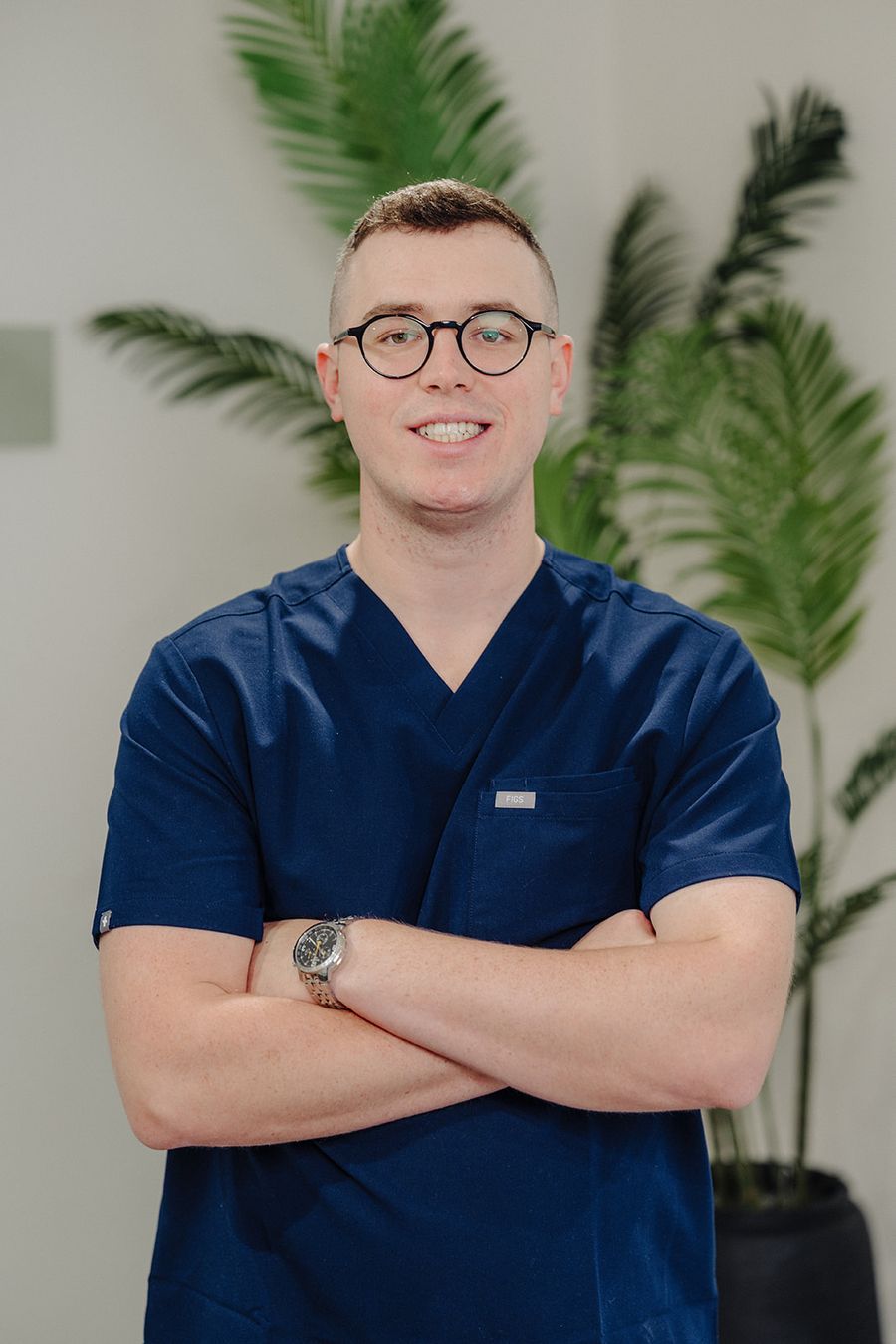
Jack McComb
Lead Podiatrist
Has recently signed up for the Belfast Marathon 2027, so is right in the middle of his own marathon journey. One of our most requested podiatrists, involved in gait analysis, routine treatments and more.

Phil McComiskey
Clinical Director and Podiatrist
A weekly runner, so he understands the casual runner's goals as well as the clinical picture. He leads the clinical team, with a particular interest in prescribing custom orthotics and shockwave therapy.

Rebecca Harvey
Podiatrist and Sports Medicine Specialist
Combines podiatry with a sports medicine focus, treating runners, athletes and active patients
We work with local clubs.
Pre season screening, mid season monitoring and return to play testing, for squads of any size. We can test at the clinic and give you the data in a format your coaching and medical staff can use.


Get in touch and we will put a quote together.
Clear pricing, before you book.
- Foot, Heel and Lower Limb Pain Assessment60 minutesGait analysis included£120
- Physiotherapy Assessment60 minutes, includes strength testing where relevant£75
- Shockwave TherapyPer session£75
- Custom 3D Printed OrthoticsIn addition to your assessment if required£375
- Clubs and teamsSquad screening and return to play testing
- There is no separate running package. Gait analysis and strength testing are included in your assessment where they are useful.
- Custom orthotics are only recommended where your gait data shows they will help.
- Most people need a short course of physiotherapy rather than a single appointment.
- Payment is by card.

Frequently asked questions.
Can I keep running while injured?
Often yes, in a modified form. Complete rest tends to let the problem return as soon as you start again, so we usually reduce and adjust your running rather than stopping it. Your clinician will set the limits with you rather than leaving you to guess.
Which appointment should I book?
If something hurts, book the Foot, Heel and Lower Limb Pain Assessment at £120. It is a full hour and includes treadmill gait analysis and Footscan pressure analysis. If you would rather start with rehab, a physiotherapy assessment at £75 is a good alternative.
Do I need a scan?
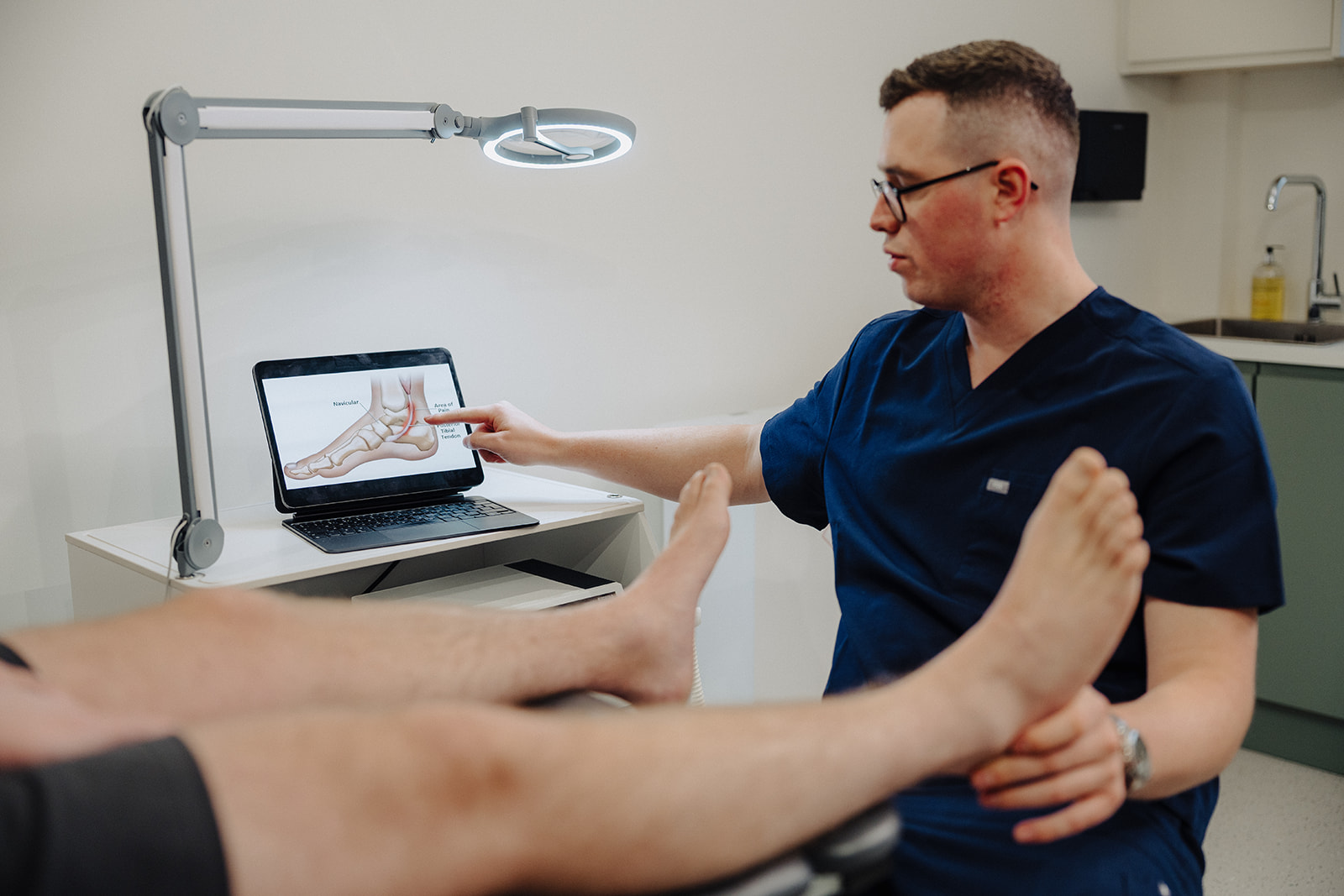
Usually not. Most running injuries are diagnosed from your history, a hands on examination and how you load. Where imaging would change what we do, we will write to your GP so it can be arranged.
Do you see beginners or only serious runners?
Both. Couch to 5K, parkrun, first marathon or twenty years of running, the assessment is the same. Load problems do not care how fast you are.
How long until I am back running?
It depends entirely on what is wrong and how long it has been there. What we can do at your first appointment is give you a realistic answer rather than a vague one, and tell you what has to happen before you add mileage.
Do I need a GP referral?
No. You can book directly with an HCPC registered podiatrist or a chartered physiotherapist at Assure Health in Carryduff, Belfast, online or by phone on 028 9079 6666.
Clinically reviewed by Phil McComiskey, Clinical Director and Podiatrist, HCPC CH34450. Last reviewed October 2026.
Related conditions we treat
Find out why it happened.
A full hour with the team at Assure Health in Carryduff, Belfast, including treadmill gait analysis and strength testing.